

Exploring the fascinating evolution of gambling through the ages
The Origins of Gambling
The history of gambling can be traced back thousands of years to ancient civilizations. The earliest evidence of gambling is found in archaeological sites dating back to 3000 BC in Mesopotamia, where dice made from bones were used. These primitive games were often associated with rituals and were believed to hold significance in determining fate or fortune. Many enthusiasts now explore options like crazy time today result to enhance their gameplay experience.
As societies developed, so did their methods of gambling. The ancient Egyptians, Romans, and Greeks all engaged in various forms of games of chance. From betting on chariot races to playing games with dice, these early activities laid the groundwork for modern gambling practices. The cultural significance of these games reflected societal values, making gambling not just a form of entertainment but also a means of social bonding.
The Rise of Organized Gambling
The Middle Ages witnessed the emergence of organized gambling, with the establishment of gambling houses and the popularity of card games. By the 14th century, gambling was increasingly common in Europe, leading to the creation of games like poker and blackjack. The first gambling house, or casino, appeared in Italy during this period, marking a significant development in the gambling landscape.
As the Renaissance unfolded, gambling became even more sophisticated. The introduction of the printing press allowed for the widespread dissemination of gambling rules and strategies, increasing public interest. This era also saw the rise of lotteries as a means for governments to raise funds, further intertwining gambling with societal growth and economic development.
The Modern Casino Era
The 19th century ushered in the modern casino era, with the establishment of iconic gambling destinations like Monte Carlo. Casinos became luxurious establishments where the wealthy would congregate, and they offered a variety of games that appealed to a broader audience. This period marked a shift towards regulated gambling, with governments recognizing its economic potential.
Technological advances in the 20th century further transformed the gambling scene. The introduction of slot machines and electronic gaming made casinos more accessible, attracting a larger demographic. The legalization of gambling in various jurisdictions led to a boom in the casino industry, establishing it as a significant contributor to global economies.
The Digital Revolution of Gambling
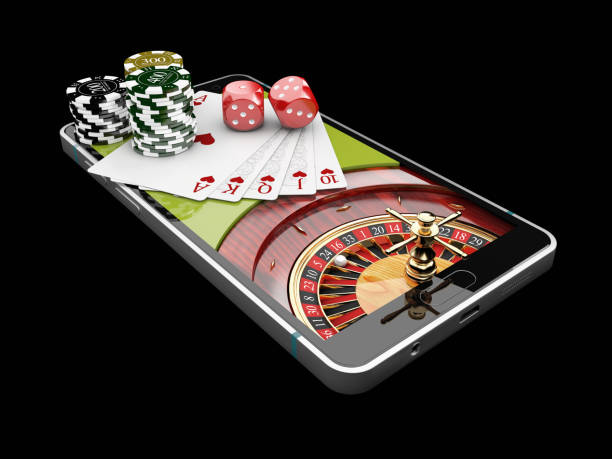
The rise of the internet in the late 20th and early 21st centuries revolutionized the gambling industry. Online casinos emerged, allowing players to experience the thrill of gambling from the comfort of their homes. This transformation has made gambling more accessible than ever, with a wide array of games and betting options available at the click of a button.
Furthermore, advancements in technology have introduced live dealer games, where players can interact with real dealers in real-time. This blend of digital innovation and traditional casino elements has captivated a global audience, making online gambling a multibillion-dollar industry. As mobile gaming becomes increasingly popular, the future of gambling appears to be firmly rooted in digital platforms.

Gambling Today and Tomorrow
Today, gambling encompasses a vast array of activities, from traditional casinos to online platforms and sports betting. The integration of artificial intelligence and data analytics is shaping the future, enhancing user experience and offering personalized gaming options. Regulatory frameworks are evolving to keep pace with this dynamic landscape, ensuring fairness and responsible gaming practices.
The gambling industry is set for continuous growth as new technologies emerge. Virtual reality casinos, for instance, promise an immersive experience that could redefine how players engage with games. Moreover, as societal attitudes towards gambling shift, discussions around its impacts and ethical considerations will become increasingly relevant, influencing how gambling evolves in the coming years.