

The Role of Luck in Gambling
Luck has always been a fundamental aspect of casino games, influencing players’ experiences and outcomes. Many gamblers enter a casino with the belief that luck will play a significant role in determining their wins or losses. This perception is deeply rooted in the human psyche, where the randomness of chance is often linked to feelings of hope and excitement. For instance, many find that reading articles from the sun papers about previous games can enhance their understanding of luck and how it operates in different scenarios. The thrill of not knowing what will happen next can amplify the allure of gambling, making it a unique psychological experience.
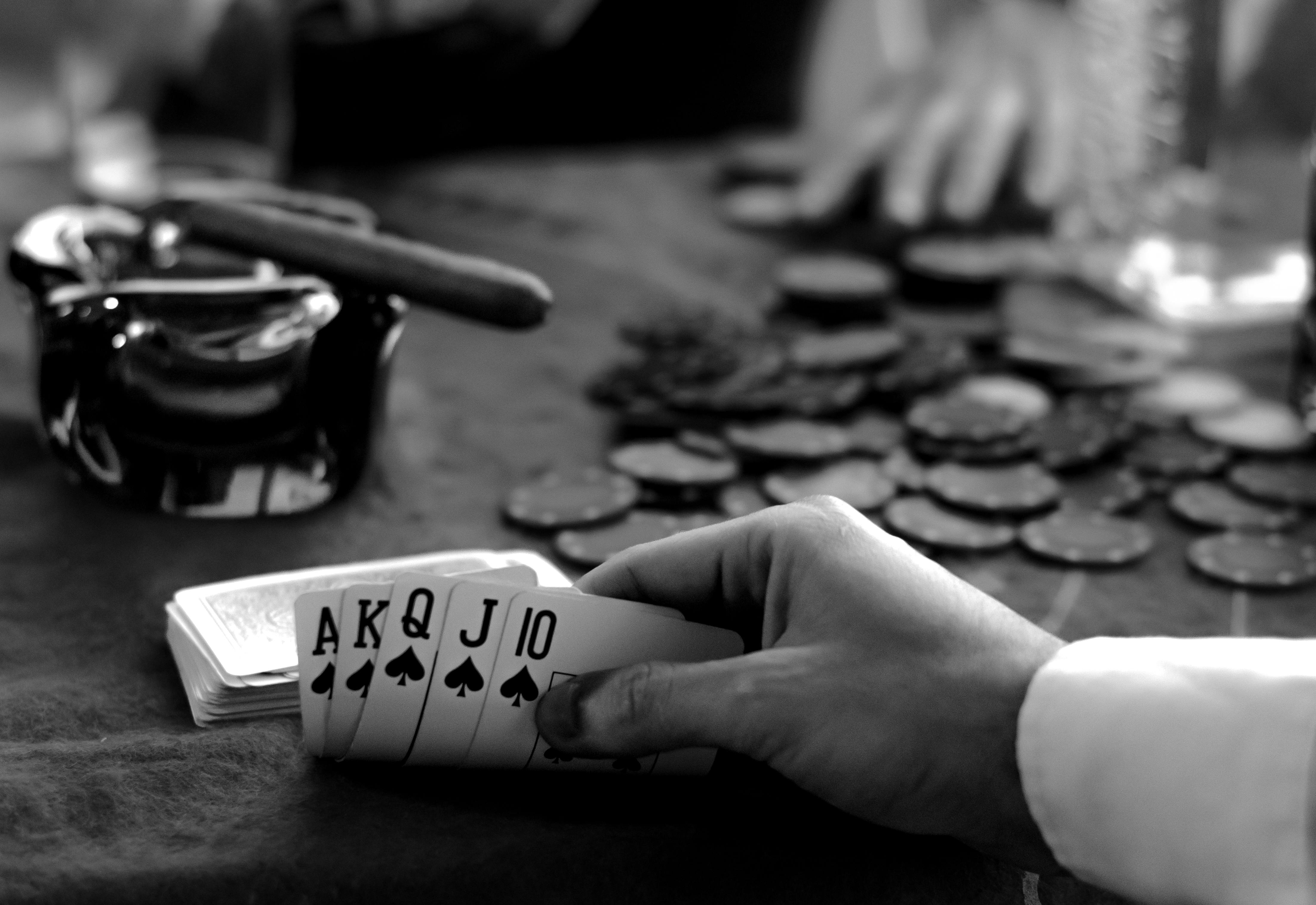
This belief in luck extends beyond just games of chance; it encompasses a broader psychological framework where players often attribute their successes to favorable odds and external circumstances. This attribution not only enhances their enjoyment but also creates a narrative that either reinforces their continued participation in gaming or leads to withdrawal when luck seems to run dry.
Cognitive Biases and Casino Gaming
Cognitive biases heavily influence how players perceive luck and their overall success in casino games. The illusion of control is a common phenomenon where gamblers believe they have some influence over random outcomes, such as in games like blackjack or poker. This mindset can lead to overconfidence, where players may take unnecessary risks, convinced that their skills or strategies will overcome the role of luck. Players often mention the importance of understanding these biases to improve their chances, emphasizing how critical it is to recognize the Unknown aspects within their gaming strategies.
Another key bias is the gambler’s fallacy, the belief that past events can influence future outcomes in independent random games. For instance, if a roulette wheel has landed on red multiple times in succession, a player might feel that black is « due » to hit next. This kind of thinking can be detrimental, leading to poor decision-making and significant losses, as players chase what they believe to be patterns in random outcomes.
The Emotional Rollercoaster of Gambling
The psychological effects of gambling can create an emotional rollercoaster for players. Winning triggers positive emotions such as joy, excitement, and euphoria, while losing often leads to frustration, disappointment, and even despair. This fluctuation in emotions can reinforce the cycle of gambling, as players may gamble more aggressively to recover losses or chase the high of a recent win. The emotional impact of gambling, especially with regard to luck, can significantly shape players’ overall experiences.
These emotional highs and lows can also impact a player’s decision-making abilities. Under stress or elation, individuals may make impulsive choices that diverge from their normal rational behaviors. Thus, understanding these emotional triggers is crucial for both players and casinos, as they shape the overall gambling experience.
Social Aspects of Casino Games
Casino games are often social activities that involve interaction with other players, which can heighten the thrill of luck. The communal experience of celebrating a win or commiserating over a loss creates a shared bond among gamblers. This social aspect can make players feel more connected and engaged, enhancing their overall enjoyment regardless of the outcomes.
Moreover, casinos often employ strategies to encourage social interactions, such as group games or tournaments. These settings can influence perceptions of luck, as players may feel that they are part of a larger dynamic, where shared experiences create a collective sense of fortune or misfortune. Understanding these social influences adds another layer to the psychological landscape of casino gaming.

Enhancing Your Online Gambling Experience
In the digital age, online casinos have transformed the gambling landscape, offering players unprecedented access to games anytime and anywhere. Yet, the psychological principles that govern luck and decision-making remain relevant. Online gambling platforms often incorporate elements that mimic the social atmosphere of traditional casinos, such as live dealer games and interactive chat features.
As you explore online gaming options, recognizing the psychological factors at play can enhance your experience. By understanding the role of luck, cognitive biases, and the emotional impacts of gambling, players can approach online casinos with a more informed mindset. Engaging in responsible gaming practices and setting personal limits can help maintain a healthy balance, making the most of the thrilling yet unpredictable world of online gambling.